
Insights into your mental health

All categories
Patient Education
Clinical Didactics
Practice Theory
Professional Identity
Apropos Concepts
Company News
Multidisciplinary Applications

Forensics
O'Connor v. Donaldson
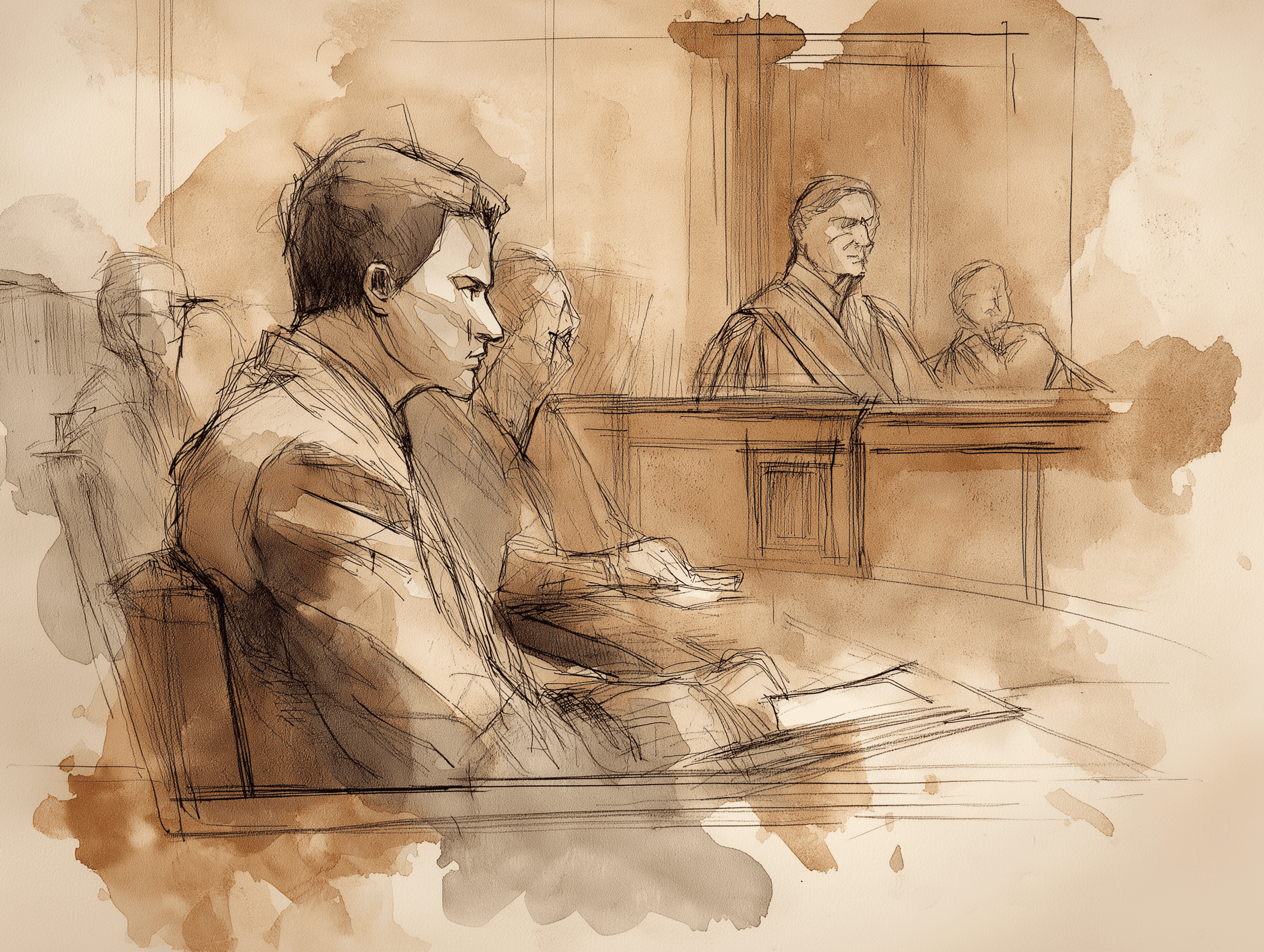
O’Connor v. Donaldson (1975) limits civil commitment by requiring both dangerousness and justification for continued confinement. This article examines how the decision reshapes clinical assessments, expert testimony, and the boundary between care and custody.

Daniel Newman
Feb 26, 2026
Forensics
Addington v. Texas
Addington v. Texas establishes that involuntary civil commitment requires clear and convincing evidence of both mental illness and dangerousness, setting the constitutional due process standard for confinement decisions in the United States (Addington v. Texas, 441 U.S. 418, 1979). This landmark ruling shapes forensic psychiatric evaluations, legal documentation, and clinical risk assessment by balancing individual liberty interests with the state’s duty to protect and treat.
Daniel Newman
Feb 24, 2026

Practice Theory
Deciduous and Coniferous Personality Orientations: A Metaphor for Plasticity and Stability in Personality Dynamics
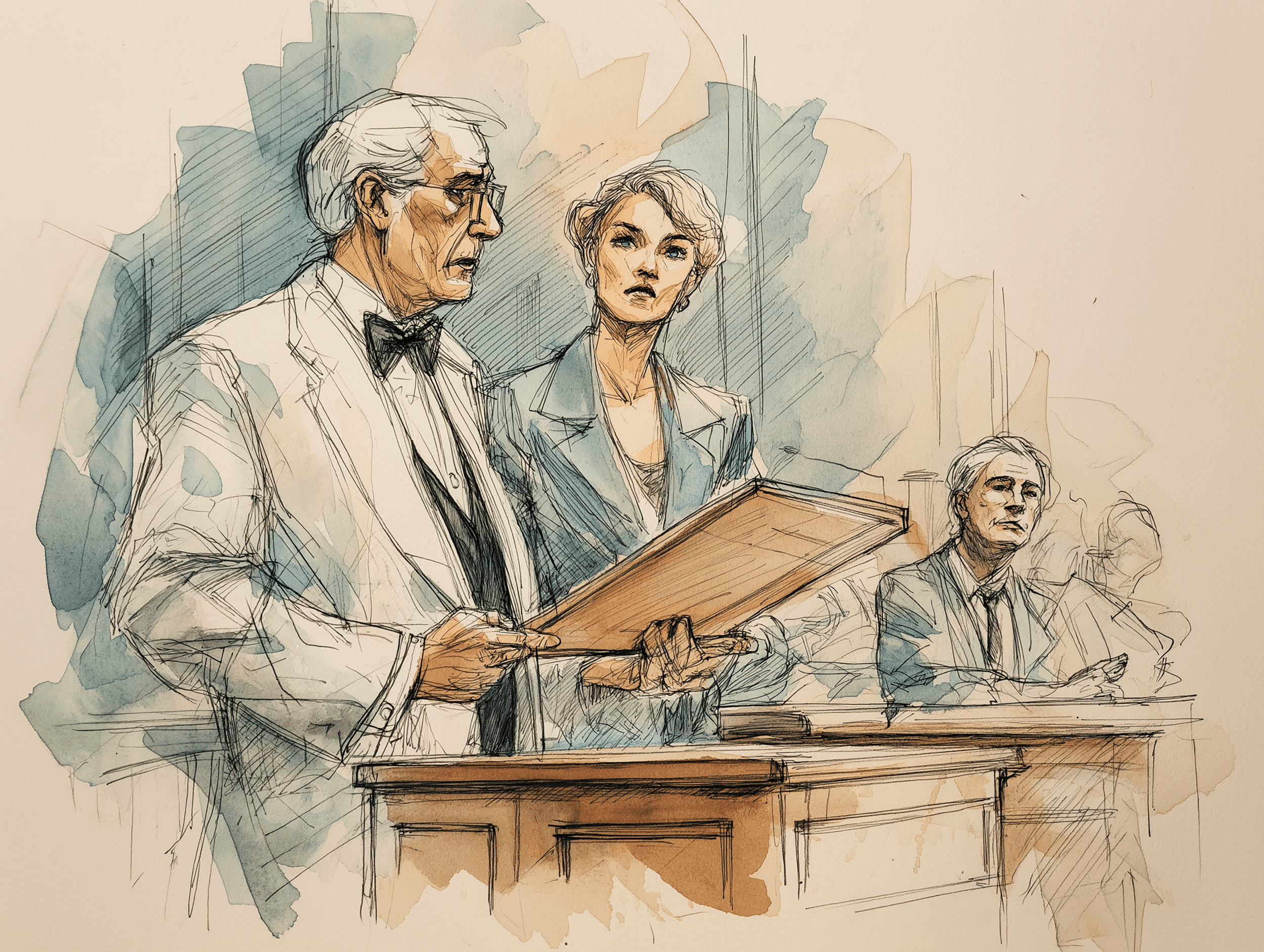
Deciduous and coniferous personality orientations as an ecological metaphor grounded in Big Five Openness and Conscientiousness, Plasticity and Stability metatraits, and Cybernetic Big Five Theory, accompanied by a mixed-methods validation study using the Deciduous-Coniferous Personality Inventory to test incremental predictive validity for coping flexibility, person-environment fit, and health outcomes in emerging adults.
Daniel Newman
Feb 20, 2026
Forensics
Bridging the Gap Between Forensic Reports and Clinical Practice
This analysis draws on Massachusetts Department of Mental Health (DMH) Designated Forensic Professional (DFP) training materials, including the Chapter 123, Section 15(b) Report Writing Manual, practice guidelines on confidentiality notifications, ultimate issue opinions, report de-identification, committee advisories on care-and-treatment recommendations, and correctional transition.
Daniel Newman
Feb 19, 2026

Forensics
Sell v. United States
Sell v. United States permits involuntary antipsychotic medication for competency restoration only after stringent judicial findings and only when dangerousness or medical-necessity grounds do not apply, requiring evaluators to assess both restorability and trial-participation risks from adverse effects.
Daniel Newman
Feb 15, 2026

Forensics
Washington v. Harper
In correctional settings, prisoners may be involuntarily medicated with antipsychotics through administrative (not judicial) review if they have a mental disorder, are dangerous or gravely disabled, and treatment is medically appropriate—without requiring a capacity determination.
Daniel Newman
Feb 15, 2026
All categories
Patient Education
Clinical Didactics
Practice Theory
Professional Identity
Apropos Concepts
Company News
Multidisciplinary Applications
Forensics
O'Connor v. Donaldson
O’Connor v. Donaldson (1975) limits civil commitment by requiring both dangerousness and justification for continued confinement. This article examines how the decision reshapes clinical assessments, expert testimony, and the boundary between care and custody.
Daniel Newman
Feb 26, 2026
Forensics
Addington v. Texas
Addington v. Texas establishes that involuntary civil commitment requires clear and convincing evidence of both mental illness and dangerousness, setting the constitutional due process standard for confinement decisions in the United States (Addington v. Texas, 441 U.S. 418, 1979). This landmark ruling shapes forensic psychiatric evaluations, legal documentation, and clinical risk assessment by balancing individual liberty interests with the state’s duty to protect and treat.
Daniel Newman
Feb 24, 2026
Practice Theory
Deciduous and Coniferous Personality Orientations: A Metaphor for Plasticity and Stability in Personality Dynamics
Deciduous and coniferous personality orientations as an ecological metaphor grounded in Big Five Openness and Conscientiousness, Plasticity and Stability metatraits, and Cybernetic Big Five Theory, accompanied by a mixed-methods validation study using the Deciduous-Coniferous Personality Inventory to test incremental predictive validity for coping flexibility, person-environment fit, and health outcomes in emerging adults.
Daniel Newman
Feb 20, 2026
Forensics
Bridging the Gap Between Forensic Reports and Clinical Practice
This analysis draws on Massachusetts Department of Mental Health (DMH) Designated Forensic Professional (DFP) training materials, including the Chapter 123, Section 15(b) Report Writing Manual, practice guidelines on confidentiality notifications, ultimate issue opinions, report de-identification, committee advisories on care-and-treatment recommendations, and correctional transition.
Daniel Newman
Feb 19, 2026
All categories
Patient Education
Clinical Didactics
Practice Theory
Professional Identity
Apropos Concepts
Company News
Multidisciplinary Applications
Forensics
O'Connor v. Donaldson
O’Connor v. Donaldson (1975) limits civil commitment by requiring both dangerousness and justification for continued confinement. This article examines how the decision reshapes clinical assessments, expert testimony, and the boundary between care and custody.
Forensics
Addington v. Texas
Addington v. Texas establishes that involuntary civil commitment requires clear and convincing evidence of both mental illness and dangerousness, setting the constitutional due process standard for confinement decisions in the United States (Addington v. Texas, 441 U.S. 418, 1979). This landmark ruling shapes forensic psychiatric evaluations, legal documentation, and clinical risk assessment by balancing individual liberty interests with the state’s duty to protect and treat.
Practice Theory
Deciduous and Coniferous Personality Orientations: A Metaphor for Plasticity and Stability in Personality Dynamics
Deciduous and coniferous personality orientations as an ecological metaphor grounded in Big Five Openness and Conscientiousness, Plasticity and Stability metatraits, and Cybernetic Big Five Theory, accompanied by a mixed-methods validation study using the Deciduous-Coniferous Personality Inventory to test incremental predictive validity for coping flexibility, person-environment fit, and health outcomes in emerging adults.
Forensics
Bridging the Gap Between Forensic Reports and Clinical Practice
This analysis draws on Massachusetts Department of Mental Health (DMH) Designated Forensic Professional (DFP) training materials, including the Chapter 123, Section 15(b) Report Writing Manual, practice guidelines on confidentiality notifications, ultimate issue opinions, report de-identification, committee advisories on care-and-treatment recommendations, and correctional transition.


© 2025 PsychConcierge. All rights reserved.
© 2025 PsychConcierge. All rights reserved.
© 2025 PsychConcierge. All rights reserved.