
Learn about our services

Evaluation Services
Evaluation Services
Our evaluations honor the full spectrum of human experience.
Our evaluations honor the full spectrum of human experience.
Learn more

Therapy Services
Therapy Services
Each therapeutic journey is tailored to your unique needs, preferences, and goals.
Each therapeutic journey is tailored to your unique needs, preferences, and goals.
Learn more

Medication Services
Medication Services
Our providers bring advanced training in adult psychopharmacology, approaching medication decisions through collaboration rather than prescription.
Our providers bring advanced training in adult psychopharmacology, approaching medication decisions through collaboration rather than prescription.
Learn more

Family Therapy Services
Our approach to family and couples therapy honors the unique dynamics, histories, and strengths of each relationship.
Group Therapy
Group therapy at PsychConcierge fosters healing through authentic connection and mutual support. It integrates cognitive behavioral techniques with relational and experiential approaches, creating intentional communities for meaningful growth.

Insights
Related insights
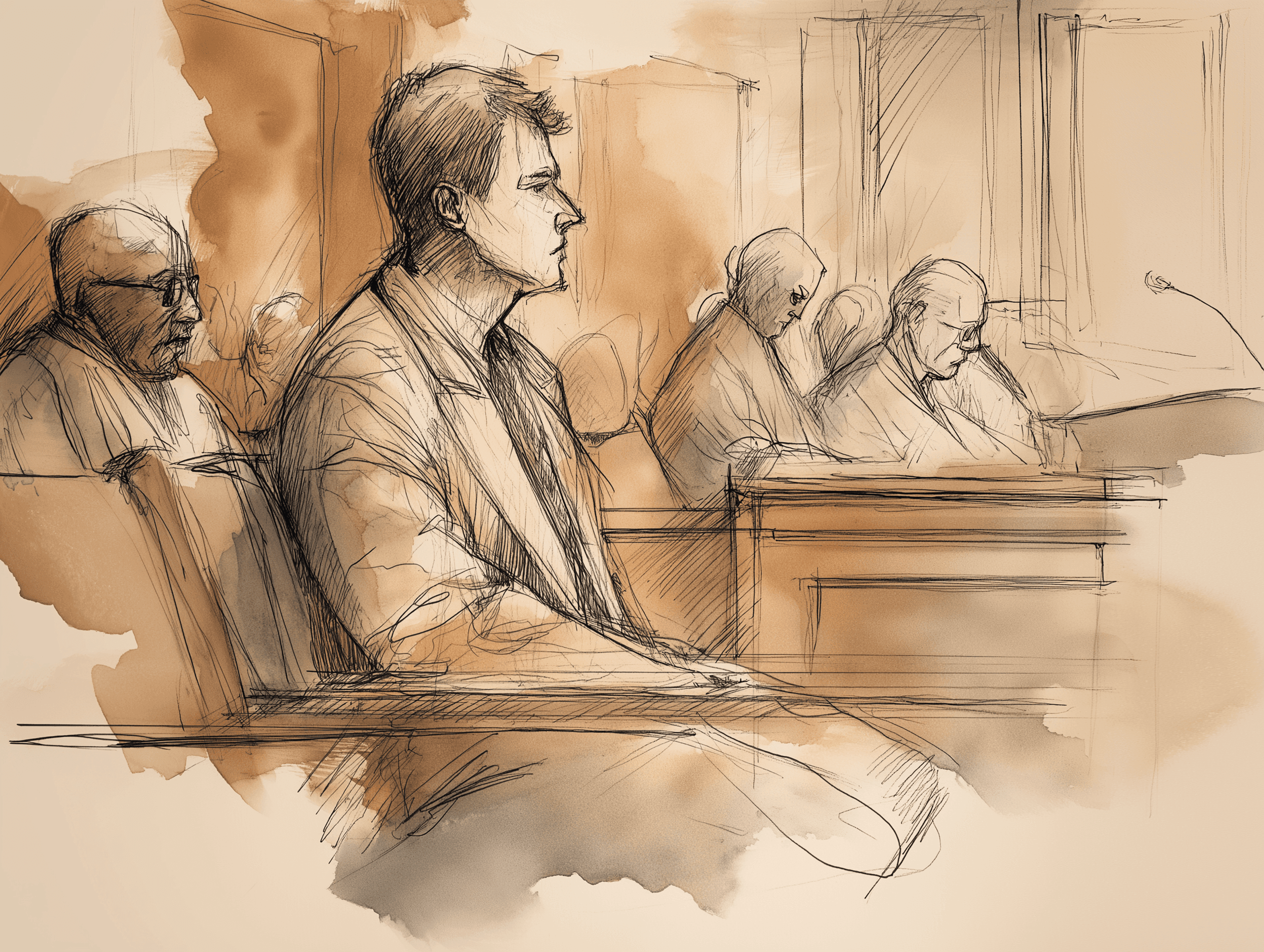
Forensics
O'Connor v. Donaldson
O’Connor v. Donaldson (1975) limits civil commitment by requiring both dangerousness and justification for continued confinement. This article examines how the decision reshapes clinical assessments, expert testimony, and the boundary between care and custody.

Daniel Newman
2026
Forensics
O'Connor v. Donaldson
O’Connor v. Donaldson (1975) limits civil commitment by requiring both dangerousness and justification for continued confinement. This article examines how the decision reshapes clinical assessments, expert testimony, and the boundary between care and custody.
Daniel Newman
2026
Forensics
O'Connor v. Donaldson
O’Connor v. Donaldson (1975) limits civil commitment by requiring both dangerousness and justification for continued confinement. This article examines how the decision reshapes clinical assessments, expert testimony, and the boundary between care and custody.
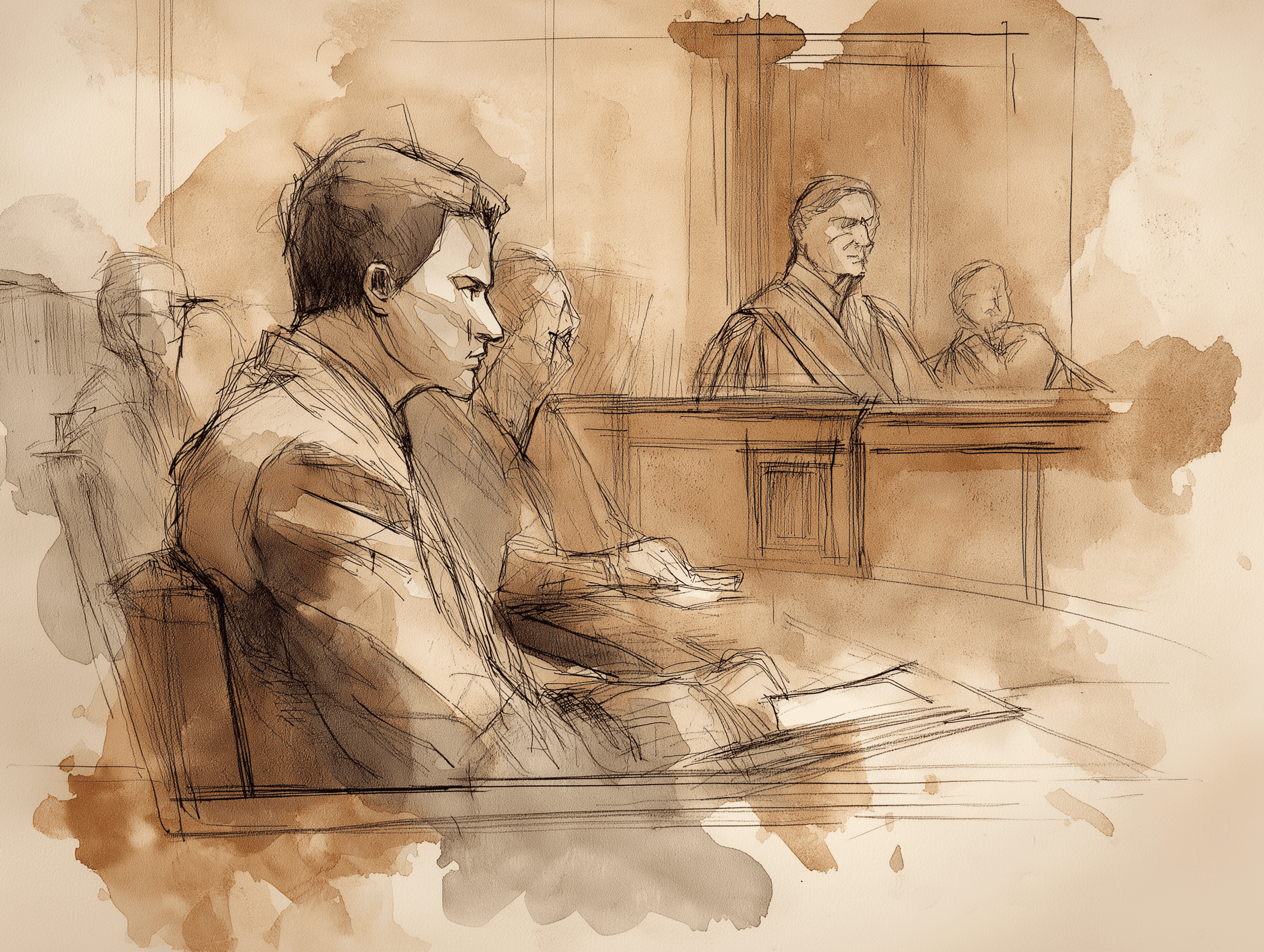
Forensics
Addington v. Texas
Addington v. Texas establishes that involuntary civil commitment requires clear and convincing evidence of both mental illness and dangerousness, setting the constitutional due process standard for confinement decisions in the United States (Addington v. Texas, 441 U.S. 418, 1979). This landmark ruling shapes forensic psychiatric evaluations, legal documentation, and clinical risk assessment by balancing individual liberty interests with the state’s duty to protect and treat.
Daniel Newman
2026
Forensics
Addington v. Texas
Addington v. Texas establishes that involuntary civil commitment requires clear and convincing evidence of both mental illness and dangerousness, setting the constitutional due process standard for confinement decisions in the United States (Addington v. Texas, 441 U.S. 418, 1979). This landmark ruling shapes forensic psychiatric evaluations, legal documentation, and clinical risk assessment by balancing individual liberty interests with the state’s duty to protect and treat.
Daniel Newman
2026
Forensics
Addington v. Texas
Addington v. Texas establishes that involuntary civil commitment requires clear and convincing evidence of both mental illness and dangerousness, setting the constitutional due process standard for confinement decisions in the United States (Addington v. Texas, 441 U.S. 418, 1979). This landmark ruling shapes forensic psychiatric evaluations, legal documentation, and clinical risk assessment by balancing individual liberty interests with the state’s duty to protect and treat.


© 2025 PsychConcierge. All rights reserved.
© 2025 PsychConcierge. All rights reserved.
© 2025 PsychConcierge. All rights reserved.